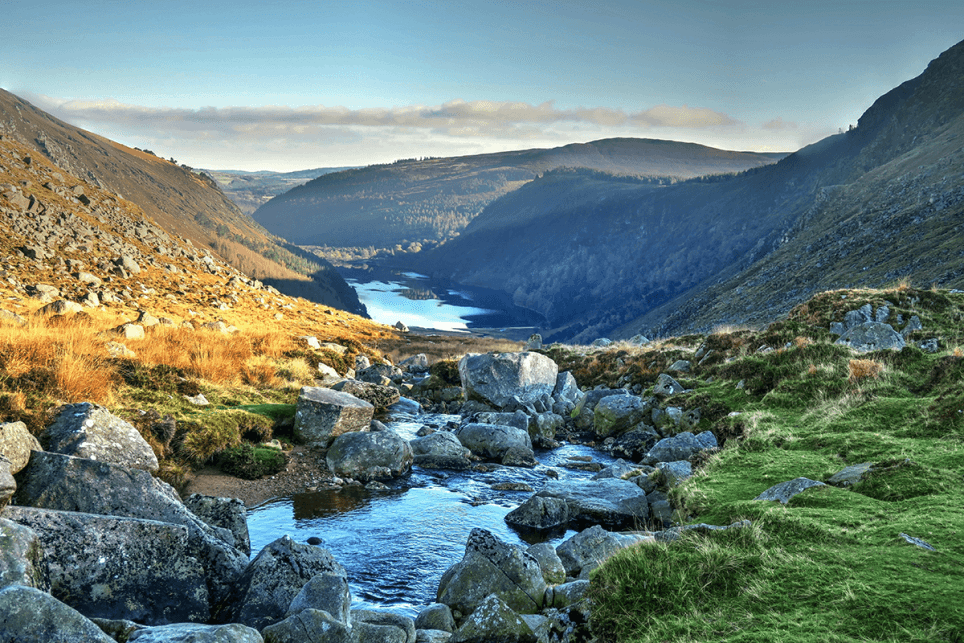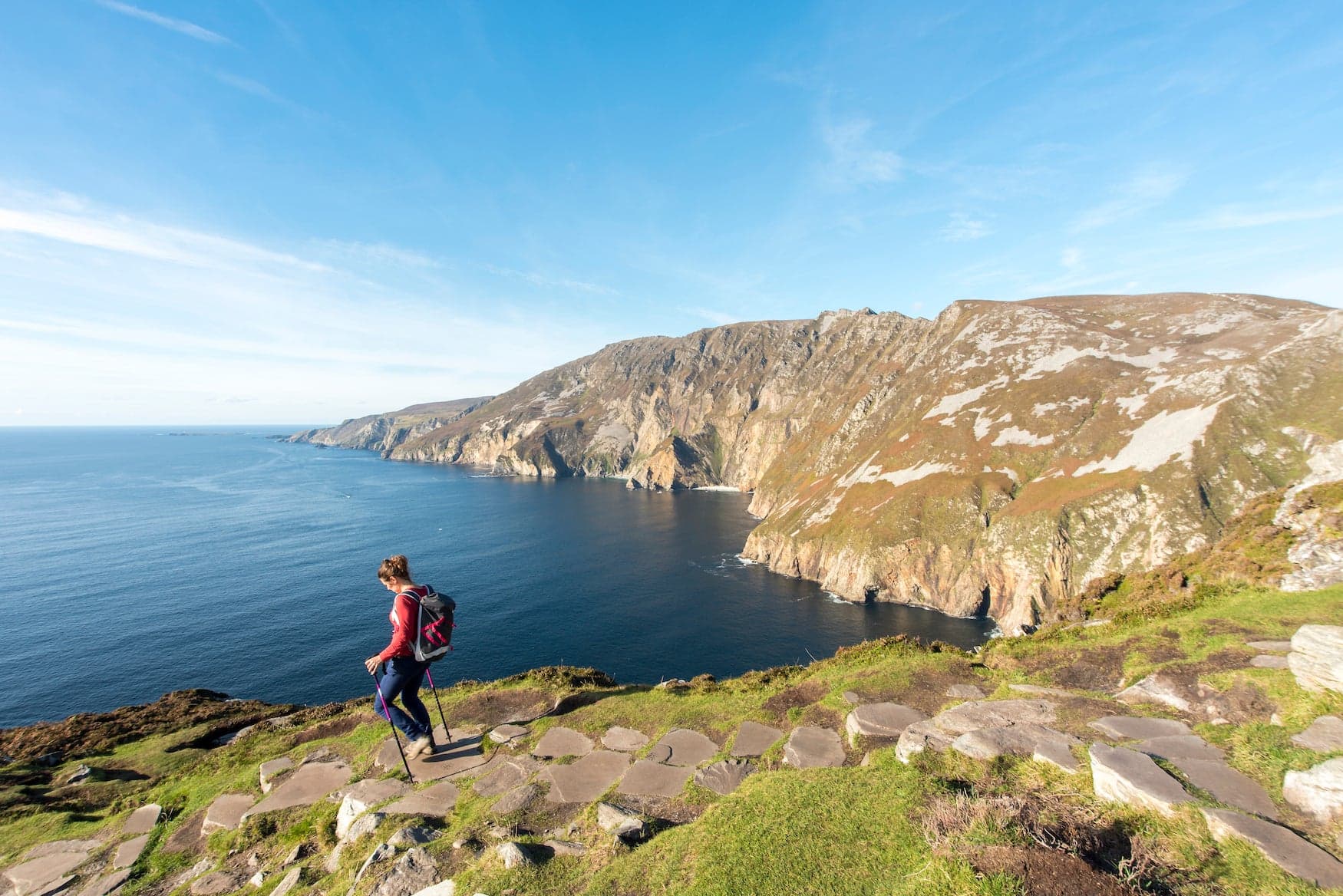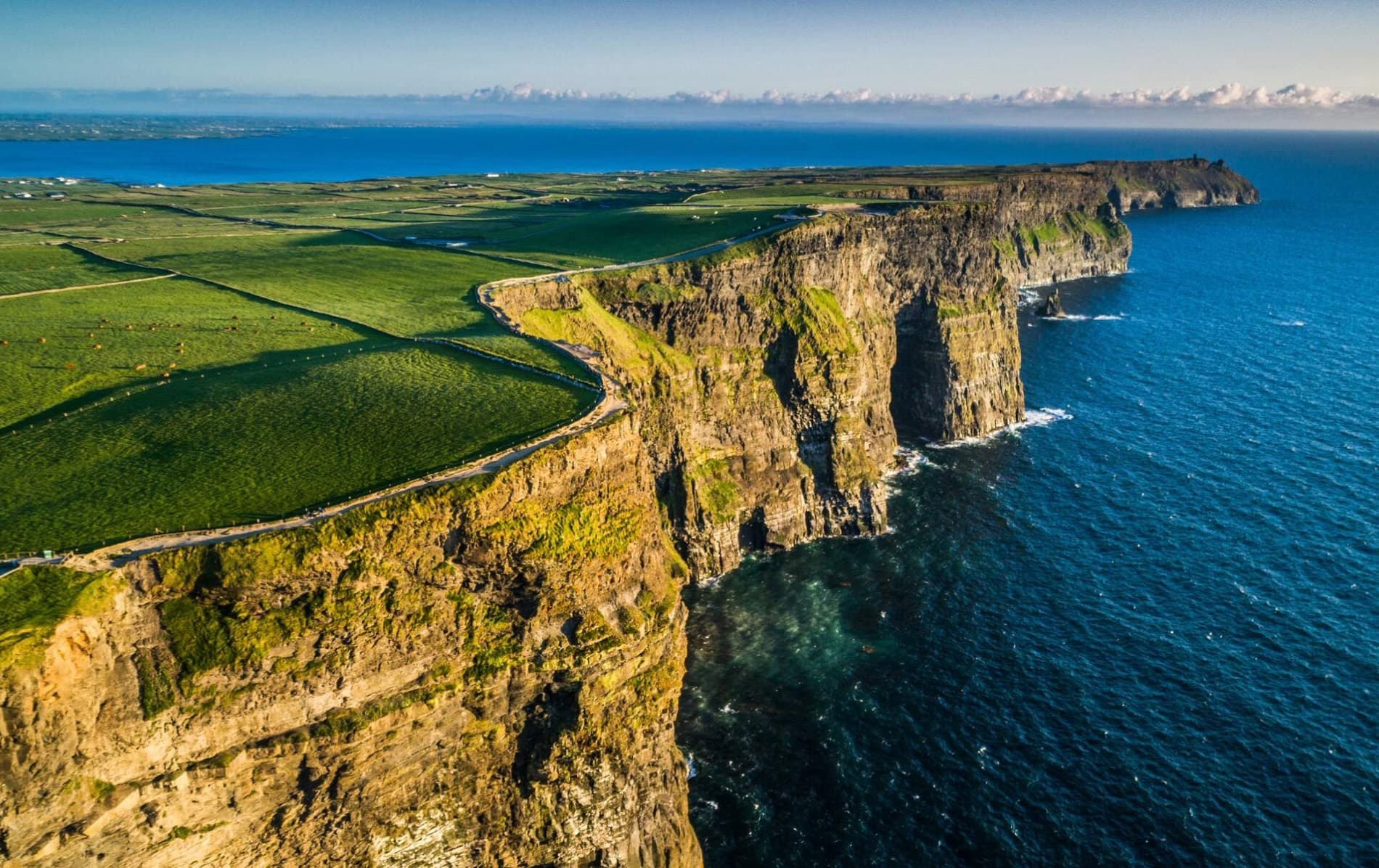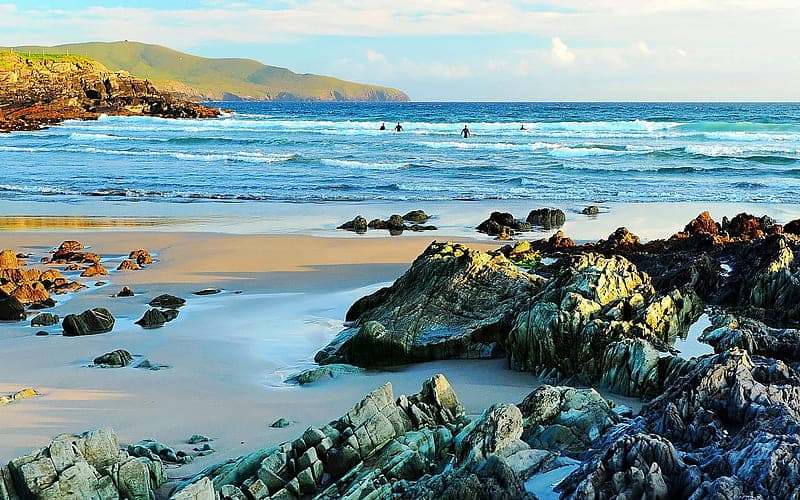
The Ring of Kerry is a circular route of roughly 179 kilometres around the Iveragh Peninsula in the south-west of Ireland. It takes in mountain passes, an Atlantic coastline, lakes, small towns and a series of viewpoints that have been drawing visitors for well over a century.
It is also one of the routes where planning makes the biggest difference — because the road is narrow in places, busy in season, and it is entirely possible to drive the whole thing and feel you saw very little of it.
Overview
Most itineraries begin and end in Killarney, which sits beside Killarney National Park and has the widest choice of accommodation. Kenmare, on the southern side, is a quieter alternative base.
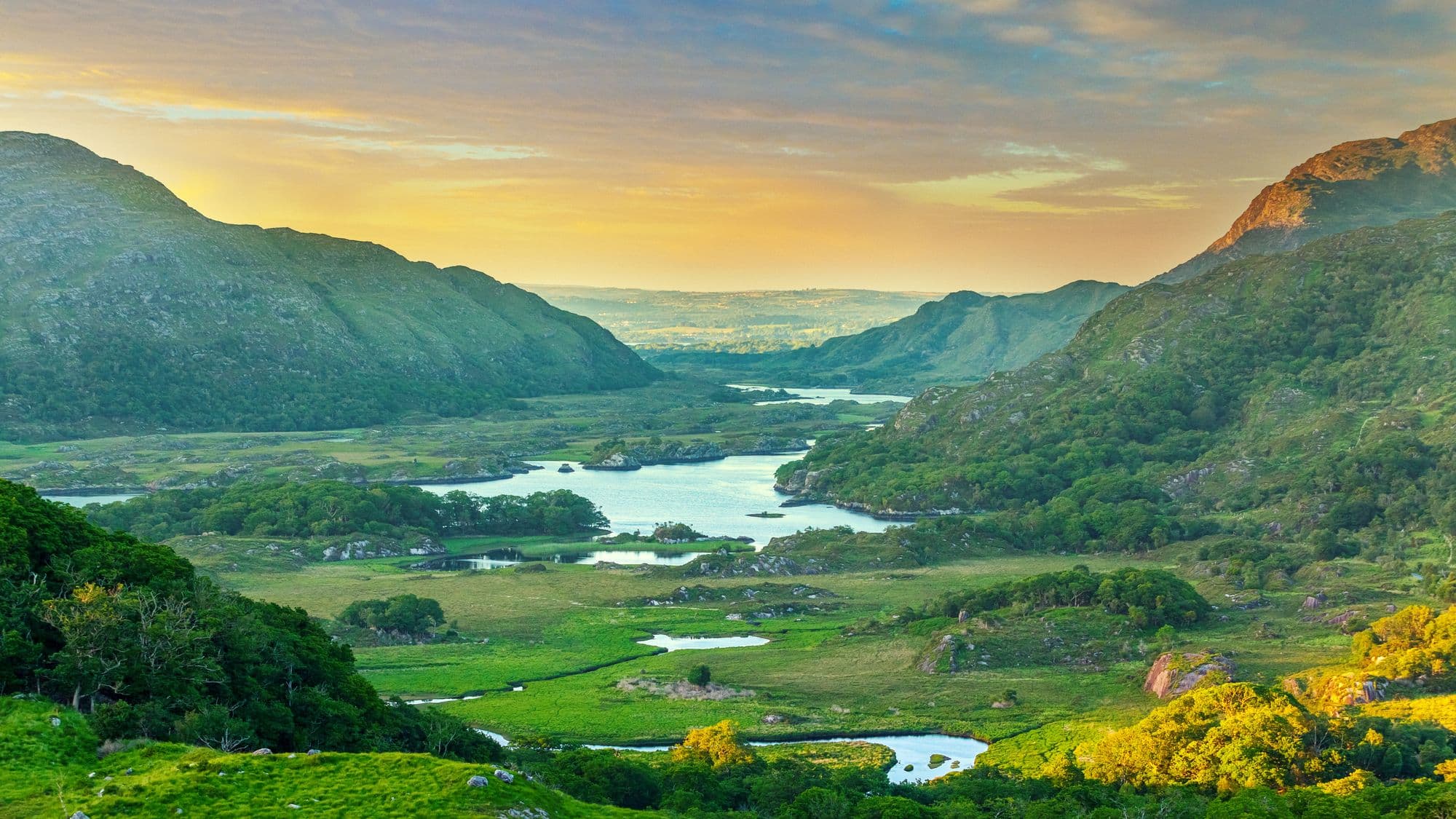
The circuit passes through Killorglin, Cahersiveen, Waterville and Sneem, with Molls Gap and Ladies View among the best-known viewpoints on the return towards Killarney.
Which direction to travel
This is the question that comes up most, and it has a practical answer rather than a scenic one.
Large tour coaches have traditionally driven the route anti-clockwise from Killarney. If you travel the same way, you are moving with them rather than meeting them on blind bends and narrow sections. If you go clockwise, you will meet coaches head-on — which is manageable, but requires more attention and more reversing into passing places than some drivers enjoy.
Where to stop
Killarney National Park
Lakes, woodland and mountains on the doorstep of the town, with Muckross House, Torc Waterfall and Ross Castle within the park. Many visitors treat this as a separate half-day rather than squeezing it into the circuit — see the Killarney National Park tour.
Molls Gap and Ladies View
Two of the most photographed viewpoints on the route, on the higher ground between Kenmare and Killarney. Both are roadside stops, which makes them easy to include.
Waterville, Sneem and the coastal stretch
The western and southern sections give you the Atlantic proper. Sneem is a small, colourful village that makes a natural lunch stop, and Waterville sits on a long beach facing the sea.
The Skellig coast
From the western end of the peninsula you can see the Skellig Islands offshore in clear conditions. The Skellig Ring is a narrower loop off the main route — rewarding, but not suited to large vehicles.
How long to allow
The driving alone is a few hours. A full day is the realistic minimum if you want to stop properly, and two days lets you add the Skellig Ring, a walk in the national park or the Dingle Peninsula to the north.
- Half a day — enough to drive part of the route and return. Not recommended; you get the road without the reason for it.
- One full day — the standard approach. The circuit with several stops and a proper lunch.
- Two days — the circuit at a genuinely relaxed pace, plus Killarney National Park or the Skellig Ring.
Practical considerations
- Fuel. Fill up in Killarney or Kenmare rather than assuming there will be a station at the western end.
- Mobile coverage. Patchy in places on the peninsula. Download maps before setting out.
- Weather. Mountain and coastal weather changes quickly; a clear morning is not a promise about the afternoon.
- Road width. Sections are narrow with stone walls close to the carriageway. This is the part that most surprises visitors used to wider roads.
The Ring of Kerry is not a difficult drive, but it is an attentive one. The scenery is on the outside of the windscreen, and someone has to be watching the road.
Is a private taxi tour suitable?
The Ring of Kerry is the route where a driver most often earns their place — for one specific reason. The person driving sees the least of it. On a road this narrow and this scenic, the driver is watching for oncoming coaches rather than looking at the lakes.
A private tour also removes the direction-of-travel problem, and makes it straightforward to adjust the day if the weather turns or a stop is busier than expected. If you are travelling as a couple and want both people to actually see the route, that is the argument. Our Ring of Kerry private tour covers the full circuit, and it pairs naturally with the Dingle Peninsula over two days.
That said, if you enjoy driving and are travelling outside peak season, self-driving the Ring is a genuine pleasure. It is a real choice rather than a foregone conclusion.
Plan your journey
If Kerry is part of a longer trip, we can build it into a multi-day route rather than treating it as a standalone day — see our tour packages or tell us your dates and we will suggest something that fits.
Frequently Asked Questions
The circuit is around 179 kilometres. Driven without stopping it would take a few hours, but that misses the point entirely — most people allow a full day so there is time for viewpoints, walks, lunch and the detours that make the route worthwhile.
Tour coaches have traditionally travelled the route anti-clockwise from Killarney, and driving the same direction avoids meeting them head-on in the narrower sections. Some independent travellers deliberately go clockwise for clearer views at popular stops — but on narrow stretches that means passing coaches, so it is a trade-off rather than a clear win.
Not comfortably. Kerry is in the far south-west, and the drive from Dublin each way plus the circuit itself makes for an unreasonable day. It works far better as part of a multi-day itinerary, or from a base in Killarney or Kenmare.
Late spring and early autumn tend to offer a good balance — longer daylight than winter, but fewer vehicles than peak summer. Summer brings the most reliable weather and the heaviest traffic; winter is quiet and atmospheric but daylight is short and some seasonal businesses close.